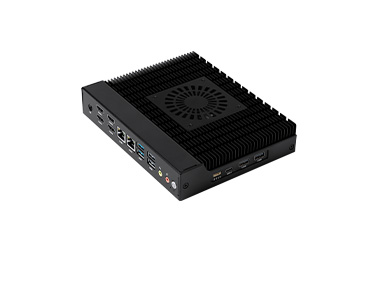
Is the SXC-RL30 V2.0 suitable for 24/7 industrial and commercial deployments?
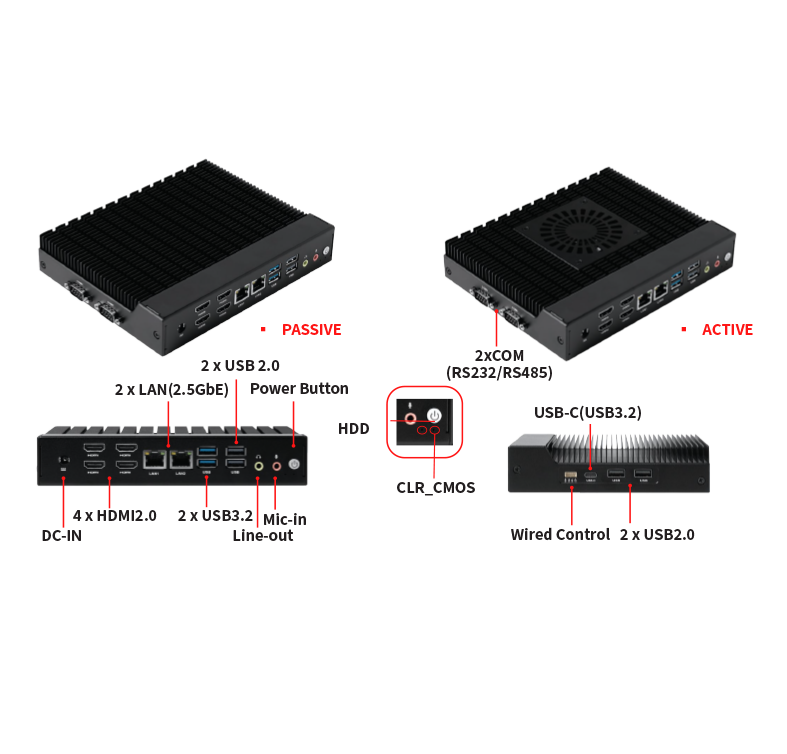
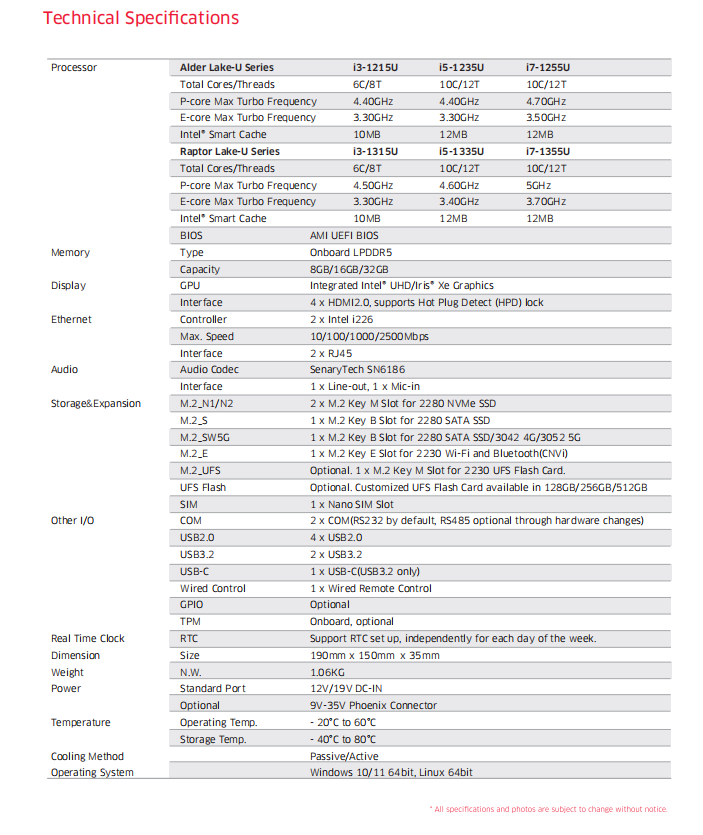
Yes. The SXC-RL30 V2.0 is designed for embedded applications that require continuous operation, such as digital signage, smart retail systems, transportation information displays, control rooms, and industrial edge computing. It supports an operating temperature range of -20°C to 60°C and can be configured with passive or active cooling depending on workload and installation conditions.
What is the difference between the Alder Lake-U and Raptor Lake-U processor options?
The SXC-RL30 V2.0 can be configured with Intel® Alder Lake-U or Raptor Lake-U processors. The platform supports Intel® Core™ i3 options with 6 cores and 8 threads, as well as Intel® Core™ i5 and i7 options with 10 cores and 12 threads. This lets system integrators choose a processor level based on workload requirements, such as signage playback, edge data processing, retail analytics, or industrial control software.
Can the SXC-RL30 V2.0 drive multiple displays for signage or control room projects?
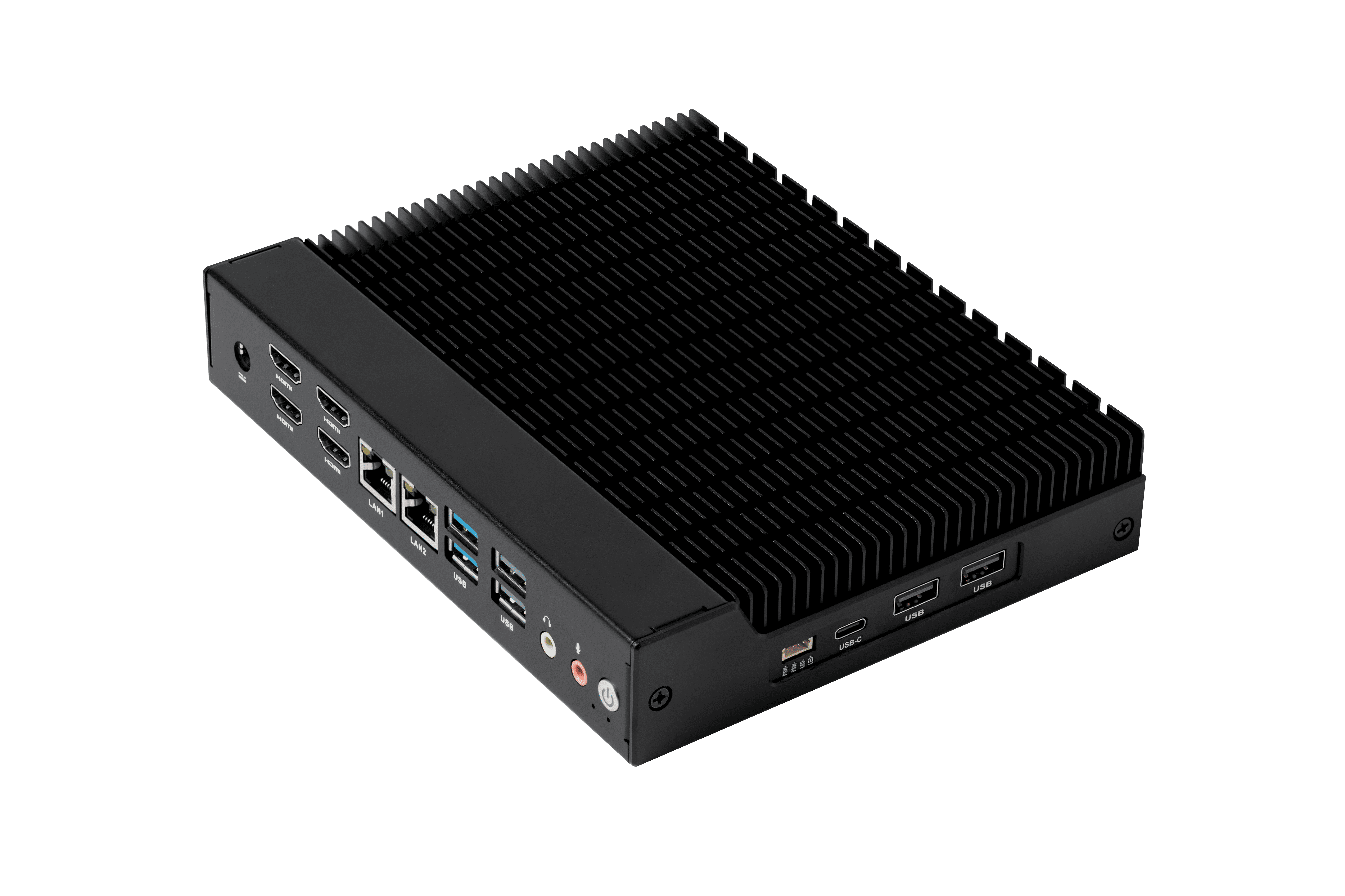
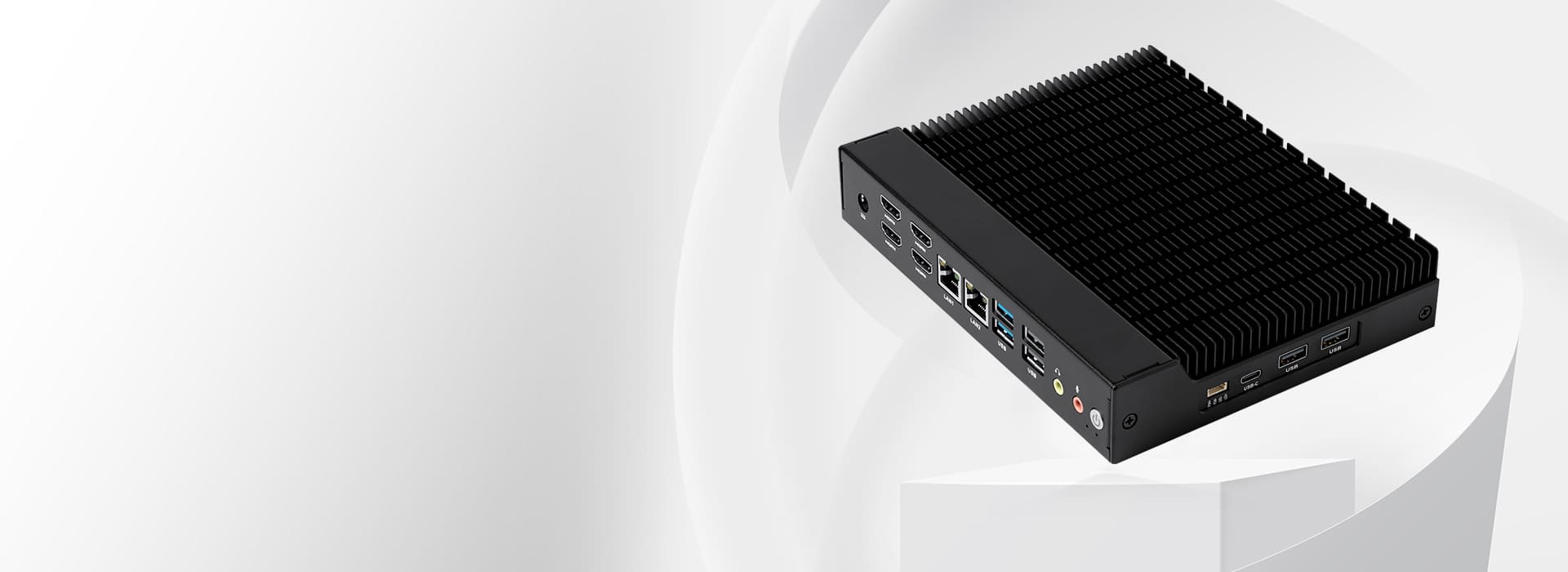
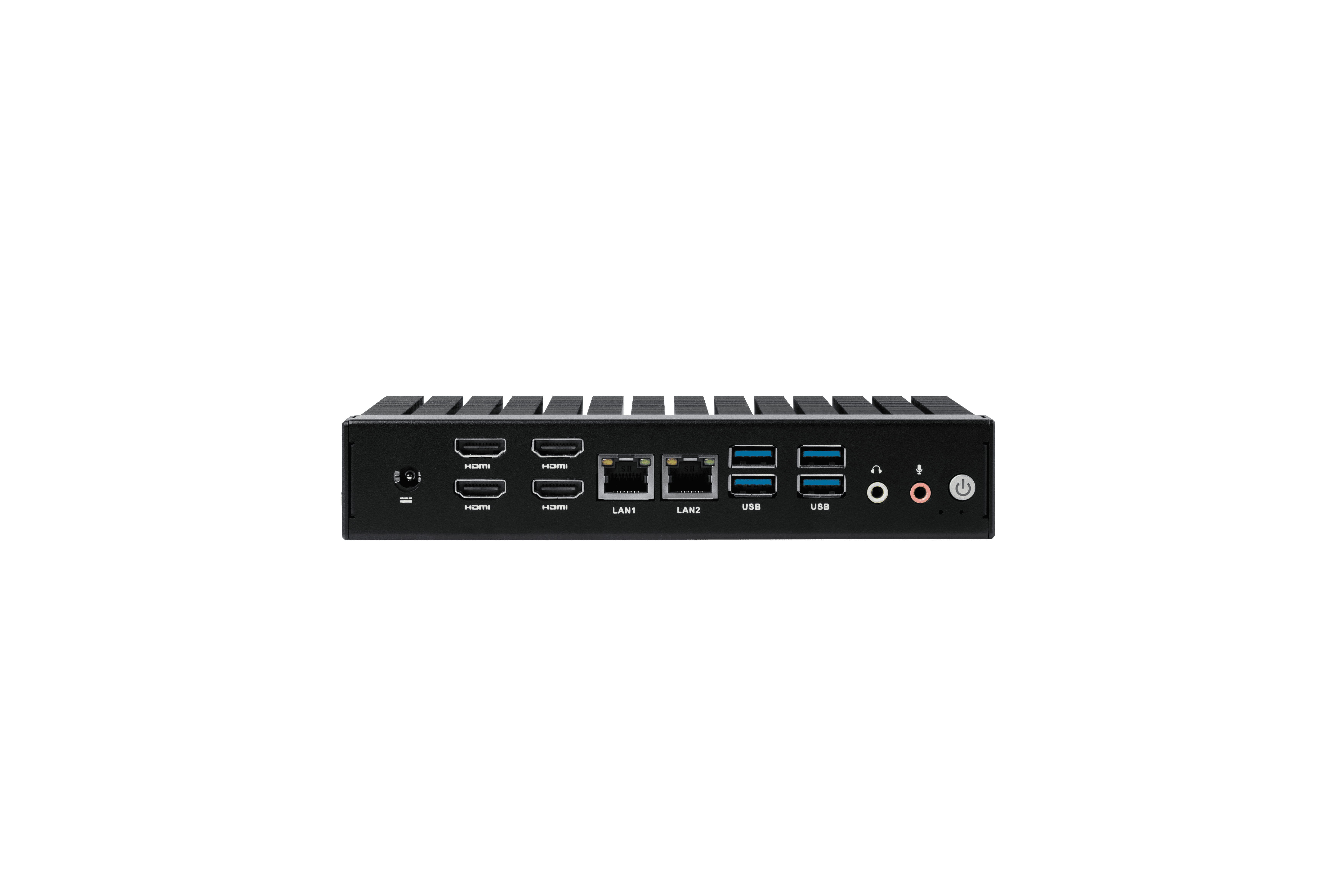
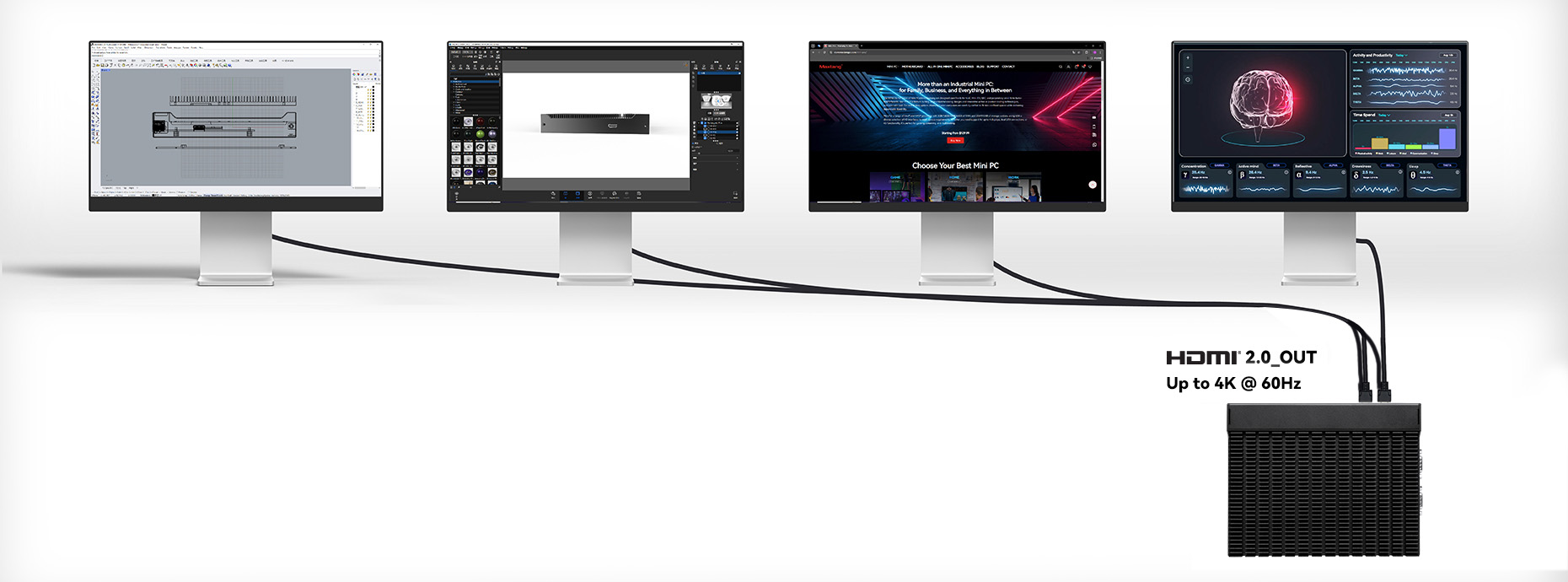
Yes. The system provides four HDMI 2.0 outputs with HPD Lock, making it suitable for multi-display signage, menu boards, information terminals, monitoring walls, and control room interfaces. The datasheet confirms support for up to four display outputs, but it does not certify four simultaneous 4K outputs, so final display timing and resolution should be verified with Maxtang for project-specific deployments.
How flexible is the storage and wireless expansion design?
The SXC-RL30 V2.0 provides strong expansion flexibility for an embedded mini PC. It includes two M.2 Key M 2280 slots for NVMe SSDs, one M.2 Key B 2280 slot for SATA storage, another M.2 Key B slot that can support SATA storage or 4G/5G modules, one M.2 Key E 2230 slot for Wi-Fi and Bluetooth CNVi, an optional M.2 Key M 2230 UFS option, and a Nano SIM slot.
Can memory be upgraded after purchase?
No. The memory is onboard LPDDR5 and is not designed for field replacement. Available memory configurations include 8GB, 16GB, and 32GB, so the memory capacity should be selected before purchase based on the operating system, software stack, display content, and edge application requirements.
What network and serial interfaces are available for industrial integration?
The SXC-RL30 V2.0 includes two Intel i226 2.5GbE LAN ports for high-speed wired networking and two COM ports for serial device integration. The COM ports are RS232 by default, with RS485 available through a hardware change, making the system practical for industrial controllers, barcode devices, sensors, payment terminals, and legacy serial equipment.
What power input options does the SXC-RL30 V2.0 support?
The standard configuration supports 12V or 19V DC input. For industrial installations that require a wider voltage range, an optional 9V-36V Phoenix connector is available, giving integrators more flexibility for cabinets, kiosks, factory equipment, and other embedded environments.
Which operating systems can run on the SXC-RL30 V2.0?
The SXC-RL30 V2.0 supports Windows 10/11 64-bit and Linux 64-bit. This gives developers flexibility for commercial signage software, Linux-based edge applications, industrial control interfaces, remote device management, and custom embedded deployments.
When should I choose active cooling instead of passive cooling?
Active cooling may be preferred when the system runs sustained workloads, operates in warmer environments, drives multiple displays, or is installed in spaces with limited airflow. Passive cooling may be suitable for lower-power or quieter deployments, but the best choice depends on processor configuration, enclosure airflow, ambient temperature, and workload duration.

 Datasheet_SXC-RL30 V2_0